Hustai National Park Tours to Mongolia's Wild Horses
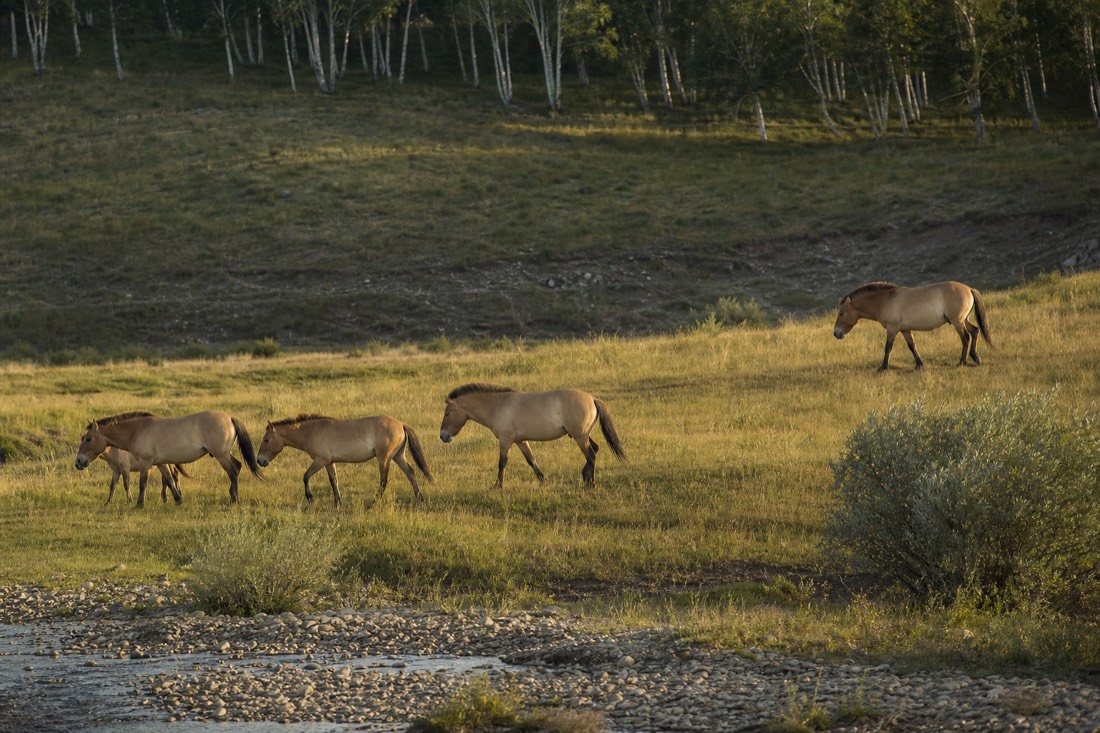
The takhi went extinct in the wild in 1969. Today about 380 of them graze the valleys of Hustai, two hours west of Ulaanbaatar, and a day tour puts you a respectful few hundred metres from the only horse humans never tamed. Two real tours run this trip. Here is how to pick between them.
Ratings are the operators' current Viator and GetYourGuide listing figures, not ours. The takhi count is Hustai National Park's own published figure; the park's site puts the entrance at 82 km from the city.
Short answer
A Hustai National Park tour is a day trip from Ulaanbaatar to the reserve where wild Przewalski's horses (takhi) were reintroduced in 1992. Two real options exist: a private tour with your own vehicle and guide, rated 4.9 across 25 Viator reviews, and a cheaper group day trip rated 4.0 across 22 GetYourGuide reviews. Both include lunch and the park entrance fee, both leave in the morning and return the same evening, and both cancel free up to 24 hours before.
Which Hustai National Park Tour Is Right for You?
Only two listings actually run this day well enough to feature, so the choice is refreshingly simple: your own car and guide at a private price, or a seat in a group at a smaller one. The private tour carries the stronger rating and the only booking-volume signal ("5+ bookings last month" on Viator). The group trip covers the same park with lunch, entry and even travel insurance folded in.
5+ bookings last month on Viator
Best for couples, families and photographers who want the day at their own pace, with pickup and lunch handled
Private Hustai National Park Day Tour from Ulaanbaatar
4.9across 25 Viator reviews
Private vehicle and guide for your group only, about 8 to 10 hours door to door with roughly 4 hours inside the park
Hotel pickup in Ulaanbaatar, lunch and the park admission included; tours run in English, French, Korean and Russian
Free cancellation up to 24 hours before, so holding a date costs nothing
From $165 per person current starting price on Viator; a private tour, so the per-person rate drops as your group grows. Live total shown for your date at booking.
Opens the operator's official Viator listing, where the live price and open times for your date are shown.
Private day tour (Viator)
Group day trip (GetYourGuide)
Group type
Private vehicle and guide, your party only
Shared group with other travellers
Duration
8 to 10 hours door to door
Full day, back the same evening
Pickup
Ulaanbaatar hotels and guesthouses near the State Department Store, or meet at a point
9 AM pickup from downtown Ulaanbaatar hotels, return transfer included
Lunch
Included
Local-style lunch included
Languages
English, French, Korean, Russian
English-speaking local guide
Insurance
Travel insurance not included
Travel insurance included
Listing rating
4.9 across 25 Viator reviews
4.0 across 22 GetYourGuide reviews
Best for
Couples, families and photographers who want the day at their own pace
Solo travellers and smaller budgets
Every row above is the operator's own listing detail, current as of our latest check; the live listing is always the final word for your date. Full breakdowns: the private day tour and the group day trip.
What You'll See on a Hustai National Park Tour
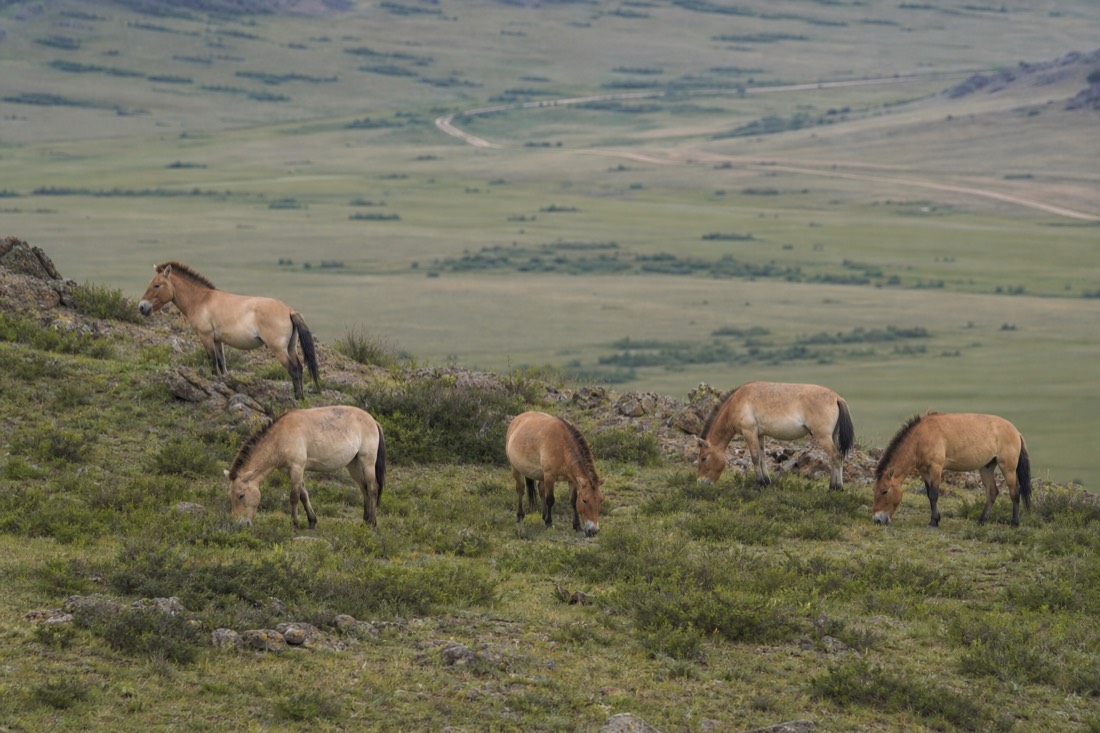
The park protects about 50,600 hectares of steppe, birch groves and rounded mountains, and it is dense with life in a way open Mongolia often is not. The star is the takhi: around 380 of them in 34 harems by the park's own count, the world's largest wild population. Around the horses live red deer, Mongolian gazelle, roe deer, wolves you will almost never see, and tarbagan marmots you will see constantly.
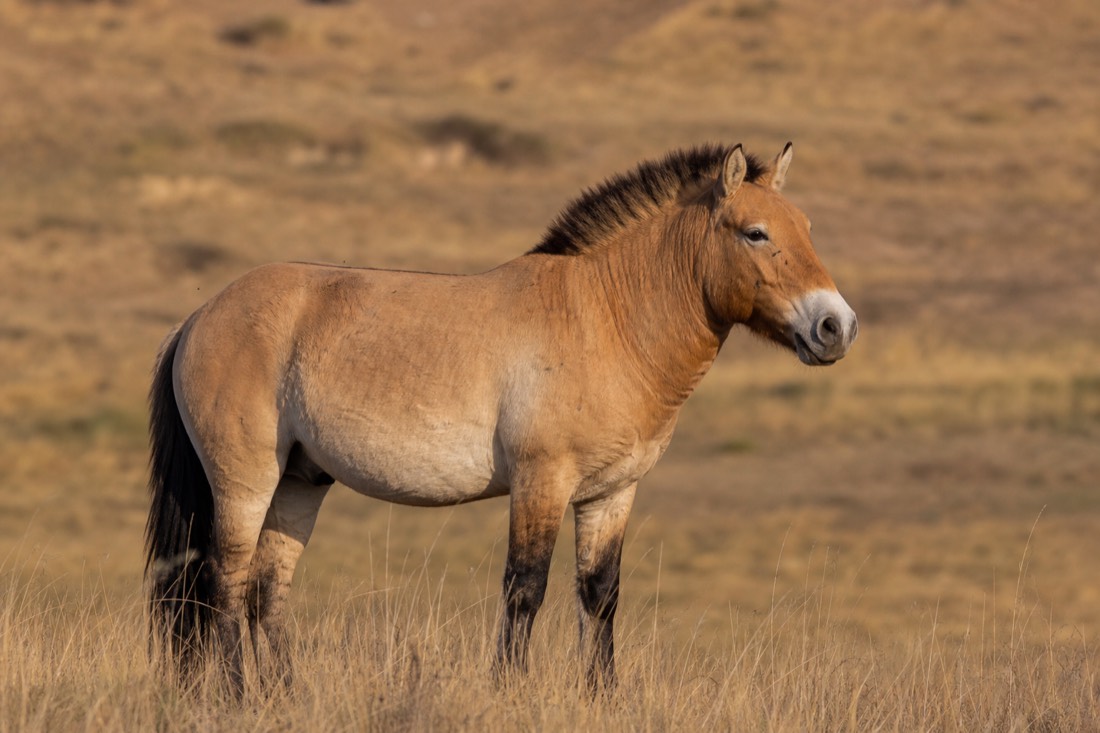
Takhi, the wild horse
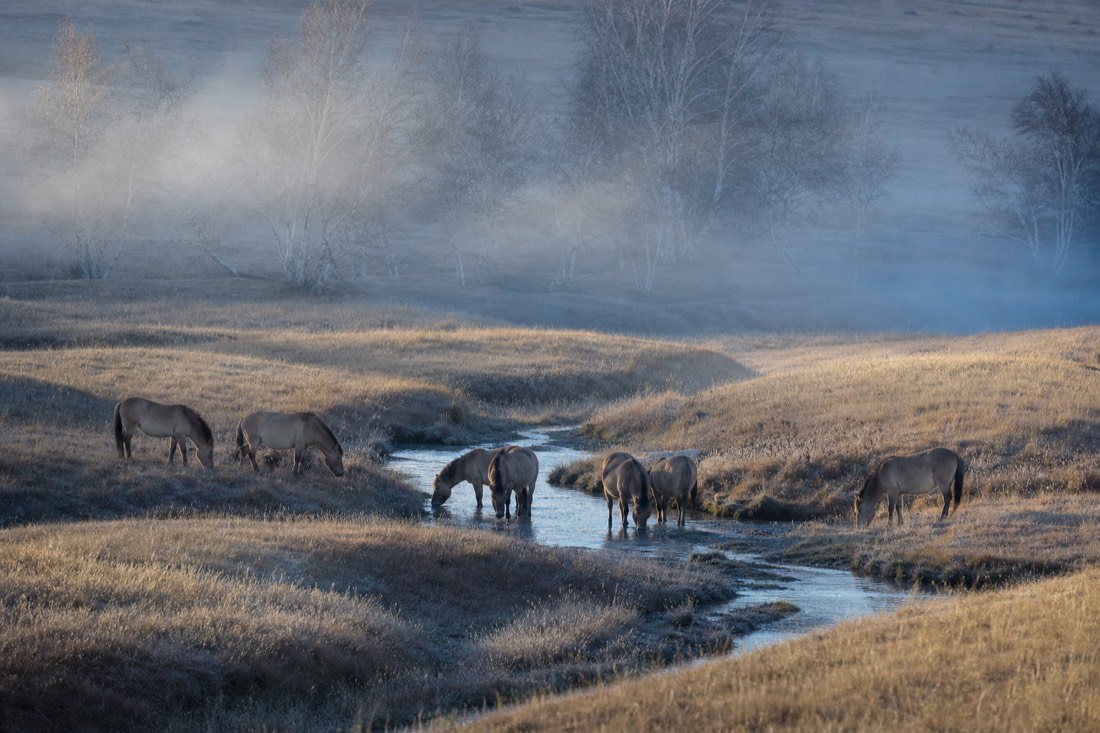
Stocky, dun-coated, with a dark erect mane and a dorsal stripe. Never domesticated, 66 chromosomes to the domestic horse's 64, and Mongolia's national animal. They come down to the valley streams around dawn and dusk.
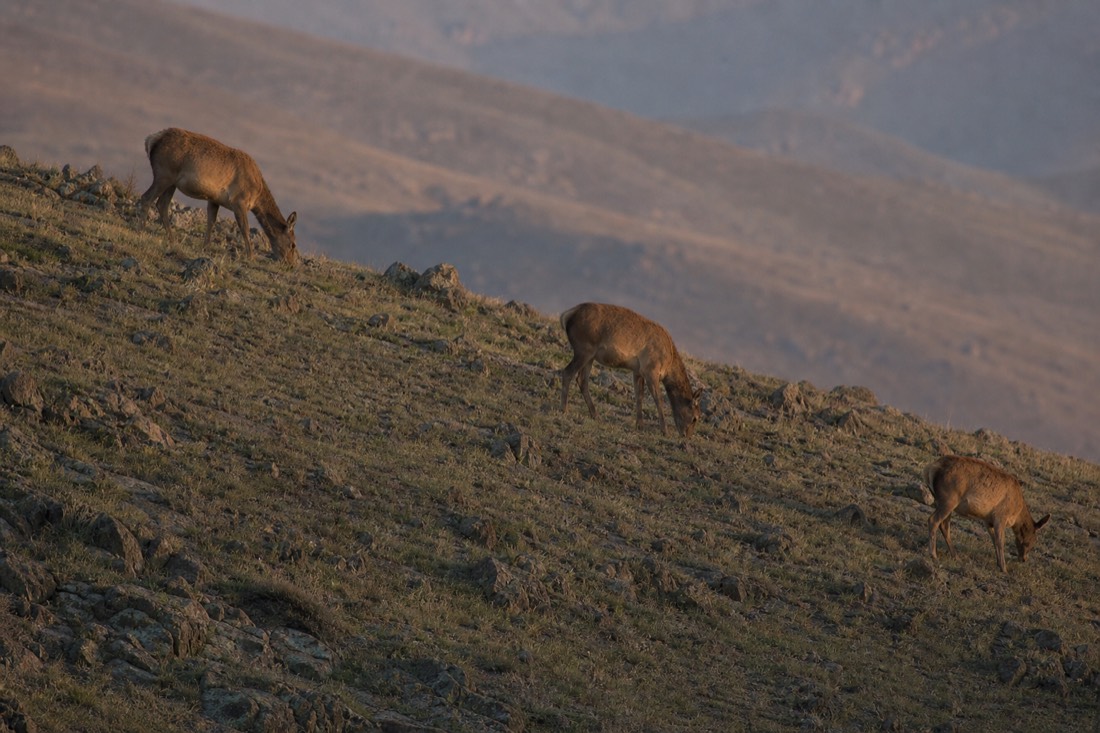
Red deer on the slopes
The park's quiet success story. From roughly 50 animals, the herd has grown past 1,300 by the park's published figures. Scan the rocky hillsides, especially in the cooler hours.
Marmots, everywhere
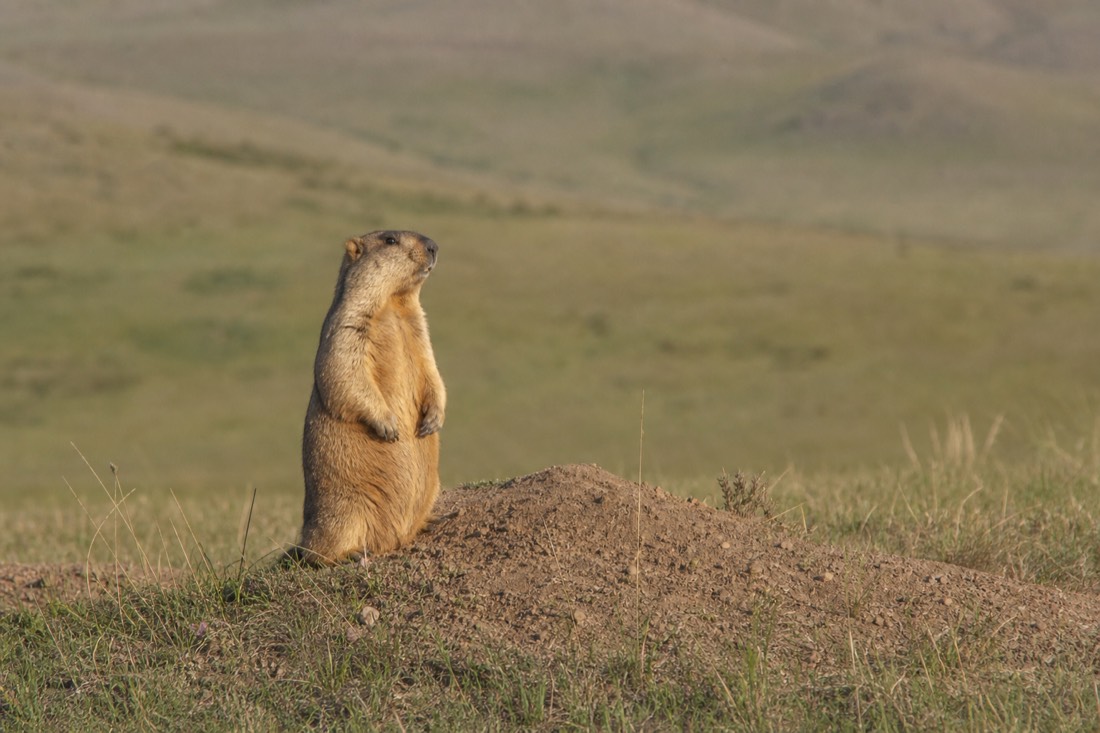
Tarbagan marmots whistle from their burrows all over the grassland from spring to autumn. Children tend to remember them as fondly as the horses.
One honest note before you book: these are wild animals on a big landscape, and some days you mostly see takhi and marmots. That is a normal Hustai day, not a failed one. The deer, gazelle and everything shyer are a bonus, not a promise; our guide to the animals of Hustai sets expectations species by species.
How a Hustai National Park Tour Day Unfolds
Plan on a full day, roughly 8 to 10 hours door to door, with about half of it inside or beside the park. The shape below follows the operators' listings: the group trip picks up at 9 AM, the private tour sets its time with you, and summer group departures may start earlier to beat the heat.
Around 9 AM: pickup in Ulaanbaatar
The group trip collects you from downtown hotels at 9 AM; the private tour picks up at hotels and guesthouses near the State Department Store, or you meet at a point.
The drive west, 1.5 to 2 hours
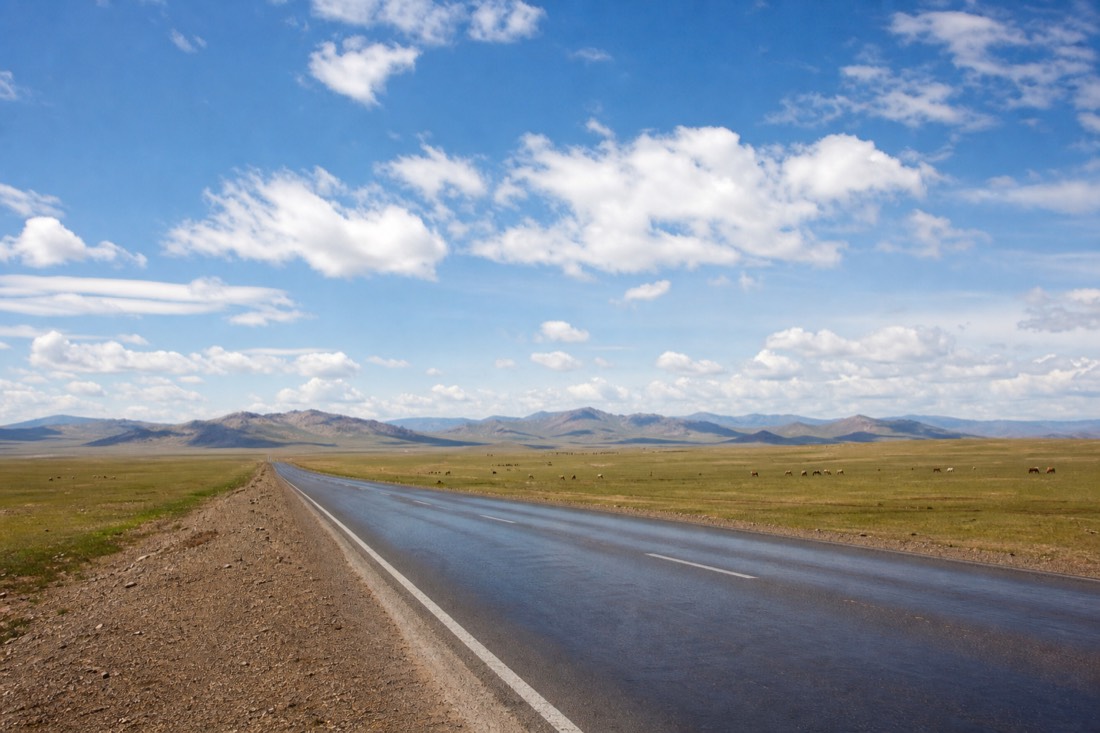
About 100 km on a paved road that trades apartment blocks for open grassland surprisingly fast, with a short gravel approach at the end.
Park headquarters and entry
Registration and entrance fees are handled at the HQ by the gate (both tours include the fee), with a small information centre telling the takhi story.
The wildlife drive
A park guide accompanies vehicles inside the protected zone. You track the valleys where harems graze, stopping to glass the slopes for horses, deer and marmots. Rules are firm: stay on tracks, no feeding, keep 200 to 300 metres back.
Lunch
Both tours include lunch; the group trip serves it local-style. Reviews mention herder-family visits on some departures.
Late afternoon: back to the city
The return drive lands you in Ulaanbaatar in the evening with the whole night still yours.
Timing matters more here than at most parks. The takhi come down to the valley streams around dawn and dusk and drift up into shadier high ground through the middle of the day, which is why the best sightings cluster early and late, and why summer departures sometimes shift earlier. A minute-by-minute version lives in our one-day Hustai itinerary.
Month by month at Hustai
The viewing column below is Bat-Erdene's own read from guiding in the park since 2022, not a published statistic. The conditions columns follow the park's guidance and 2026 visitor reports: open year-round, best in spring and autumn, severe cold in winter.
Month
Park conditions
Takhi viewing, Bat-Erdene's read
Light and weather
January
Deep winter, snow on the steppe, very few visitors
Harems stand out against snow but range wide; drives run longer between sightings
Short days and severe cold; dress for well below freezing
February
Still hard winter, quiet park
Similar to January; clear air helps long-distance spotting
Days lengthening, cold still severe
March
Late winter into thaw, wind picks up
Horses work the lower valleys as snow retreats
Freezing nights, milder afternoons
April
Spring green-up begins; one of the park's two best seasons starts
Very good: harems active in the open through more of the day
Cool and changeable; pack layers
May
Full spring, steppe turning green, marmots out
Excellent: my favourite month for close-to-reliable valley sightings
Mild days, cold mornings
June
Early summer, long grass, all wildlife active
Good early and late; midday sightings thin as heat builds
Long daylight, warm afternoons
July
Peak season and Naadam (July 11 to 13 in 2026 in Ulaanbaatar)
Plan around dawn or dusk; horses sit out the midday heat in shade
Hottest stretch; group departures may start earlier
August
High summer easing, steppe still green
Like July early on, improving toward month's end
Warm days, cooling nights
September
Autumn colours; the second best season begins
Excellent: cooler days keep harems in the open longer
Crisp and clear, superb light for photography
October
Late autumn, first frosts, thinning crowds
Very good; wildlife busy ahead of winter
Cold mornings, real chill by evening
November
Winter arriving, park quiet
Decent on still days; wind shortens the comfortable viewing time
Cold deepens, days shorten fast
December
Full winter, fewest visitors of the year
For the hardy: horses digging through snow is a striking sight
Hustai sits roughly 100 km west of Ulaanbaatar in Töv Province; the park's own site measures 82 km to the entrance. The road is paved for nearly the whole way, with a short gravel stretch on the final approach, and the drive takes about 1.5 to 2 hours depending on city traffic. There is no public bus to the gate, which is why nearly everyone arrives with a tour or a hired driver.
Both featured tours fold the transport, the entry paperwork and the in-park guiding into one booking, so the logistics question mostly answers itself. If you want to weigh taxis, rental cars and overnight options anyway, the full breakdown is in how to get to Hustai from Ulaanbaatar.
For anyone with a wildlife bone in their body, yes. Nowhere else on earth offers a better chance to watch truly wild horses, the drive is short by Mongolian standards, and the whole thing fits inside one day of an Ulaanbaatar stay. The honest caveats: it is a lot of vehicle time for a few hours of park, sightings are wild-animal sightings rather than a show, and the group tour's 4.0 across 22 GetYourGuide reviews trails the private tour's 4.9 across 25 on Viator. Our longer verdict lives in is Hustai worth visiting.
Here is what actual travellers wrote on the two listings. Reviews appear word for word, typos included; long ones are trimmed with [...], never reworded.
"This is something I don’t think I would be able to do on my own! The views on the drive were breathtaking and I learned so much thanks to my guide. I was lucky yesterday to see two whole groups of wild horses and a herd of wild deer. [...] The meal the host made was so filling and delicious [...] I really really am thankful for this experience, and I can’t recommend it enough to other travelers."
Hannah_A · Mar 2026 · Viator
"Wonder day spent with the nicest people on earth! We were able to see deer, birds, marmot, and finally the wild horses. We then visited a most gracious herder family for food and drink. I learned about their lives in their peaceful, serene setting."
Bonnie_D · Sep 2025 · Viator
"The tour was great. We moved through immense Mongolian steppes and hills [...] We visited a nomadic family and moved over the Hustai Park to spot the wildlife and visit an ancient burial site. [...] I recommend this tour, but please note that you will have to cover a significant distance throughout the day and roads may be bumpy, but this is a part of the adventure!"
ILIA_S · Oct 2024 · Viator
"Nice guide, nice driver, nice car, nice trip! THANK YOU for that great day! From start to end everything was very good :-)"
cedrik_r · Feb 2025 · Viator
"This was a real Mongolian experience. [...] We left before the sunrise, to catch a glimpse of the horses before the temperature started raising and they would escape the heat in the woods. I got lucky and spotted a group of adult horses and a foal. [...] It was trully a sight to behold. [...] It was an unforgetable trip with a great guide!"
Elena · Jul 2024 · GetYourGuide
"Bachi took me on an unforgettable tour of the gorgeous countryside of Mongolia. Not only did he contact me early to confirm my tour, but also changed it a bit to make sure I got to see all that I wanted to see. Mongolia is truly a magical place. I highly recommend Bachi and expertise. He is also a lovely storyteller."
Amy · Jul 2025 · GetYourGuide
"It was one of the most incredible moments of my 50-nation travels to visit the family in their yurt, see horsemanship and herding, drink milk, eat meat on the rib, be amused by the child, and chat with the driver. Albiday thank you."
Robert · May 2024 · GetYourGuide
"The guide speaks really good wnglish and can you explain much about the mongolian history, how life is in mongolia and of course all about the national Park. Thank you for that."
Bat-Erdene Ganbaatar, park guide and wildlife specialist
Bat-Erdene has guided international visitors through Hustai since 2022 and has, by his own count, walked more than 1,000 travellers through its valleys. He knows which drainages the harems favour after rain, where to position a group so the wind carries your scent away from the horses, and when a marmot alarm call means something is moving on the slope. He does not operate the two bookable tours on this page; his role here is to explain the park honestly and check every figure against the listings and primary sources.
By 1969 the last confirmed wild takhi had vanished from the Gobi, hunted and squeezed out of its range, and the species survived only in zoos. Every horse alive today descends from a handful of founders caught in the wild decades earlier, a bottleneck so narrow that the Smithsonian traces the whole global population, roughly 1,900 animals, back to it.
The return began in 1992, when the first takhi flew from European zoos to the Khustai mountains. From 84 introduced individuals, the park has grown its herd to about 380 across 34 harems, breeding and dying by natural selection rather than studbook. The IUCN Red List marks the milestones: still assessed as critically endangered in 2008, then downlisted to endangered in 2011 as the wild herds took hold. Watching a stallion drive his harem down to water at dusk, it is hard to believe the species was a zoo exhibit forty years ago. The fuller story, including the herds beyond Mongolia, is in our takhi comeback deep dive.
Hustai National Park Tour FAQs
How much does it cost to go to Hustai National Park?
Per 2026 visitor guides, the entrance fee for foreign visitors is around USD 5 to 8 per person plus about USD 5 per vehicle, paid at the park headquarters. Both featured day tours include the entrance fee in the price, and the live tour price for your date is shown on the operator's Viator or GetYourGuide listing. Full cost breakdown: Hustai entrance fees and costs.
Is Hustai National Park worth visiting?
For most visitors, yes. It is the most reliable place on earth to watch never-domesticated wild horses, it fits into a single day from Ulaanbaatar, and the two featured tours hold a 4.9 across 25 Viator reviews and a 4.0 across 22 GetYourGuide reviews. If your priority is rock formations and temples rather than wildlife, Gorkhi-Terelj may suit you better.
What animals will I see in Hustai?
Takhi are the headline act, and tarbagan marmots are everywhere in the warm months. The park also holds red deer, Mongolian gazelle, Siberian roe deer, wolves and birds of prey, though the shyer species show themselves far less often. Many visitors see mainly takhi and marmots, and that is a normal day, not a failed one. Species-by-species odds: animals in Hustai National Park.
Where do you stay for a Hustai visit?
Most people do not stay at all: both featured tours run as day trips from Ulaanbaatar hotels. If you want a night on the steppe, the park's own ger camp has 35 gers for up to 100 guests, and the Hustai Resort camp runs 33 standard and 10 deluxe gers year-round, at roughly USD 60 to 100 per person with meals per 2026 reports. Details: where to stay at Hustai.
Can you ride the wild horses at Hustai?
No. Takhi were never domesticated, they cannot be ridden or tamed, and park rules keep visitors 200 to 300 metres away from them. Riding in Mongolia happens on domestic horses elsewhere, not on takhi. The longer answer: can you ride a Przewalski's horse.
How far is Hustai National Park from Ulaanbaatar?
The park lies roughly 100 km west of Ulaanbaatar; the park's own site puts the entrance at 82 km. The drive takes about 1.5 to 2 hours on a paved road with a short gravel approach at the end. Transport options: how to get to Hustai.
What is the best month for a Hustai visit?
Spring (April to May) and autumn (September to October) are the best windows, with mild weather and active wildlife. The park is open year-round; July brings Naadam crowds and midday heat, and winter is severely cold but starkly beautiful. Month-by-month detail: best time to visit Hustai.
Do you always see the wild horses?
Sightings are very likely but not guaranteed; the group tour's own listing says so. The takhi come down to the valleys around dawn and dusk, so drives timed toward those hours do best. Around 380 takhi live in the park by its own count, which is why most days end with horses in view.
Plan the Rest of Your Mongolia Trip
Hustai is usually one day of a longer stay. These guides answer the questions travellers ask next, checked against primary sources rather than repeated from other blogs.
Ger camps by the entrance, what a night with meals runs, and when a day trip is smarter.
Browse all the guides, or read field stories on the blog.
Ready to stand on the steppe with the takhi?
Pick a date on the operator's official listing, where today's price and open departures are shown. Cancellation is free up to 24 hours before on both featured tours, so holding a date early costs nothing.